



If you’re wondering how do you do forex trading webglobaltrading.com trading, you’re in the right place. Forex, or foreign exchange, is the market where currencies are traded. It’s one of the largest financial markets in the world, with a daily trading volume exceeding $6 trillion. To help you navigate the basics of Forex trading, we will explore the essential concepts, tools, and strategies you need to know.
Understanding Forex Trading
The Forex market operates 24 hours a day, five days a week, allowing traders to buy and sell currencies at virtually any time. Unlike stock markets, Forex brokers facilitate trades through a network of financial institutions rather than a centralized exchange. This decentralized nature provides traders with flexibility and diverse opportunities.
How Forex Trading Works
Forex trading involves the exchange of one currency for another. Currency pairs are central to Forex trading, which consists of a base currency and a quote currency. For example, in the currency pair EUR/USD, the Euro (EUR) is the base currency, and the US Dollar (USD) is the quote currency. The price reflects how much of the quote currency is needed to purchase one unit of the base currency.
Getting Started with Forex Trading
To successfully engage in Forex trading, you need a few essential elements:
1. Choose a Reliable Forex Broker
Your choice of broker can significantly impact your trading experience. Look for brokers with a solid reputation, regulatory compliance, and a user-friendly platform. Consider factors like spreads, commissions, and leverage offered by the broker.
2. Create a Trading Plan
A well-defined trading plan outlines your trading goals, risk tolerance, and strategies. Including aspects such as entry and exit points, stop-loss orders, and position sizing can help you maintain discipline during trading.
3. Use a Trading Platform
Most Forex brokers provide trading platforms equipped with various tools for technical analysis, charting, and trade execution. Popular platforms include MetaTrader 4 (MT4) and MetaTrader 5 (MT5). Familiarize yourself with the platform’s features and functionalities before placing real trades.
Analyzing the Forex Market
To make informed trading decisions, you must analyze market trends and identify potential opportunities. There are two primary methods of analysis: fundamental analysis and technical analysis.
1. Fundamental Analysis
Fundamental analysis involves evaluating economic indicators, political events, and other factors that impact currency value. Economic data such as GDP, employment reports, and interest rates play a crucial role in determining currency movements. Staying updated with global news and economic events can help you make informed trading decisions.
2. Technical Analysis
Technical analysis focuses on chart patterns, historical price movements, and technical indicators. Traders use tools like moving averages, Fibonacci retracements, and relative strength index (RSI) to identify potential entry and exit points. Understanding chart patterns, such as head and shoulders or double tops, can also aid in predicting future price movements.
Developing a Trading Strategy
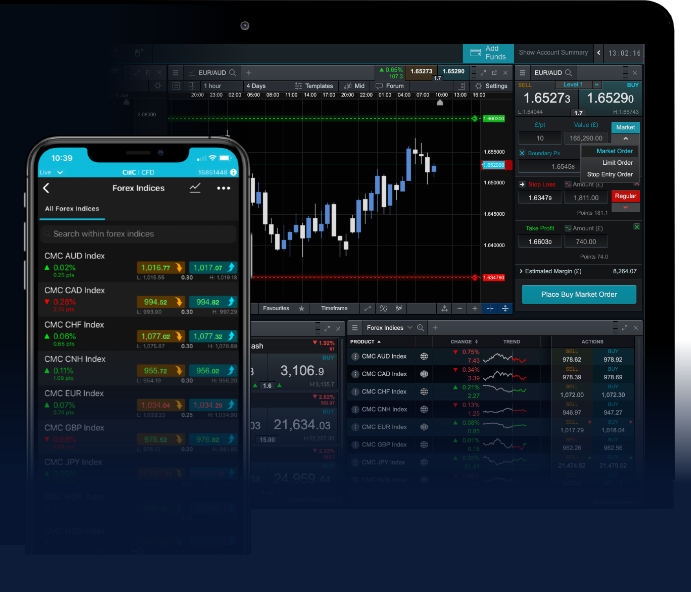
A well-researched trading strategy is vital for success in Forex trading. Here are some common strategies that traders use:
1. Scalping
Scalping involves making small profits on short-term price movements. Scalpers execute numerous trades within a day and aim to capture tiny price changes. This strategy requires quick decision-making and strong risk management.
2. Day Trading
Day trading entails opening and closing positions within the same trading day. Day traders capitalize on short-term market movements while avoiding overnight risks. This strategy requires robust analysis and discipline.
3. Swing Trading
Swing trading focuses on capturing price swings over several days or weeks. Swing traders analyze chart patterns and use technical indicators to identify trends. This strategy is ideal for those who cannot dedicate all their time to trading.
4. Position Trading
Position trading involves holding trades for extended periods, often based on long-term market trends. Traders analyze fundamental factors and may hold positions for weeks, months, or even years. This strategy requires patience and a strong understanding of the market.
Risk Management in Forex Trading
Risk management is a crucial aspect of Forex trading. Despite the allure of high returns, trading involves risks that could lead to significant losses. Here are some key risk management practices:
1. Set Stop-Loss Orders
Stop-loss orders automatically close your position when a specific price level is reached, limiting potential losses. Setting stop-loss orders for every trade can help protect your capital.
2. Use Proper Position Sizing
Determine the appropriate position size based on your risk tolerance and account size. Generally, risk no more than 1-2% of your trading account on a single trade. This approach helps manage your overall risk exposure.
3. Diversify Your Trades
Engaging in multiple currency pairs can help spread risk. Avoid putting all your capital into a single trade or currency pair, as this could increase your risk exposure.
Continuous Learning and Adaptation
Forex trading is a dynamic market that requires continuous learning and adaptation. Stay updated with market trends, economic news, and changes in global economies. Participate in online forums, webinars, and trading communities to exchange knowledge and insights with fellow traders.
Conclusion
Getting started with Forex trading can be both exciting and challenging. By understanding the basics, developing a trading plan, utilizing analysis methods, and practicing effective risk management, you can enhance your chances of success. Remember that practice makes perfect, and consider starting with a demo account to test your strategies before risking real capital. With time, dedication, and the right resources, you can master the art of Forex trading and navigate the world of currencies with confidence.